
How to Shoot Commercial Photography Without Losing Your Soul

There’s a moment, somewhere between the client’s mood board and the third lukewarm coffee, where you realize you’ve been hired to make something useful—not necessarily something alive. That’s the danger zone. That’s where your soul quietly considers clocking out.
Now, if you’re anything like me—somewhere between Anthony Bourdain with a camera and Paul Rudd cracking a self-aware grin—you don’t want to just deliver “assets.” You want to make something that breathes. Something that smells faintly like sweat, ambition, and a little bit of rebellion.
So how do you walk into a commercial shoot—logos, brand guidelines, the whole corporate circus—and not come out feeling like you just photographed a spreadsheet?

Lainey Wilson, Reba and Miranda Lambert, Lainey Wilson mid performance in the middle photo and Ella Langley performing all at the ACM Awards 2025.
First: Respect the Craft (But Don’t Worship It)
The client has a job. You have a job. Their job is to make sure their brand doesn’t look like it was shot in a gas station bathroom at 2am. Your job is to make sure it doesn’t feel like it was shot in a conference room at 2pm.
You have to get the safe shots. The clean hero image. The perfectly lit product. The smiling team photo where everyone looks vaguely like they trust each other.
That’s your 20%.
Nail it. Light it right. Frame it properly. Give them something they can confidently show their boss without anyone sweating through their button-down.
Then—once you’ve got that in the bag—you earn the right to get weird.

The 80% / 20% Rule. Where You Actually Show Up
This is where you stop being a technician and start being a human with a camera.
Lay on the floor. Climb on a chair you probably shouldn’t be standing on. Shoot through something. Around something. Behind something.
People don’t remember the safe shot. They remember the one where you saw them.
There’s something oddly disarming about a photographer who suddenly drops to the ground mid-shoot like they’re dodging sniper fire. It breaks the script. Not the “Hi, I work here” smile. That’s not what you want on your face or theirs. The real one. The one that leaks out when people forget they’re being watched.

No One Can Tell You What Angles to Not Try
Everyone stands at eye level because it feels polite. Respectable. Predictable.
But eye level lies.
Shoot from above and suddenly someone looks small, thoughtful, maybe a little vulnerable. Shoot from below and they feel powerful, mythic, even if they’re just holding a latte and talking about quarterly growth. Move. Circle. Drift like you’re slightly lost but deeply curious.
Because you are. And curiosity, real curiosity, is the difference between a photo that sells something and a photo that says something.

Don’t Fight the Client, Outflank Them By Over Delivering
Here’s the trick: you don’t preserve your artistic integrity by refusing to play the game. That just makes you difficult.
You preserve it by playing better than expected.
Give them exactly what they asked for…
Then give them something they didn’t know they needed.
Slip your style into the margins.
A shadow that lingers longer than it should.
A frame that feels a little too intimate.
A moment that wasn’t staged, but feels like it was meant to be.
Nine times out of ten, that’s the image they end up loving.
Not because it’s safe, but because it’s true.
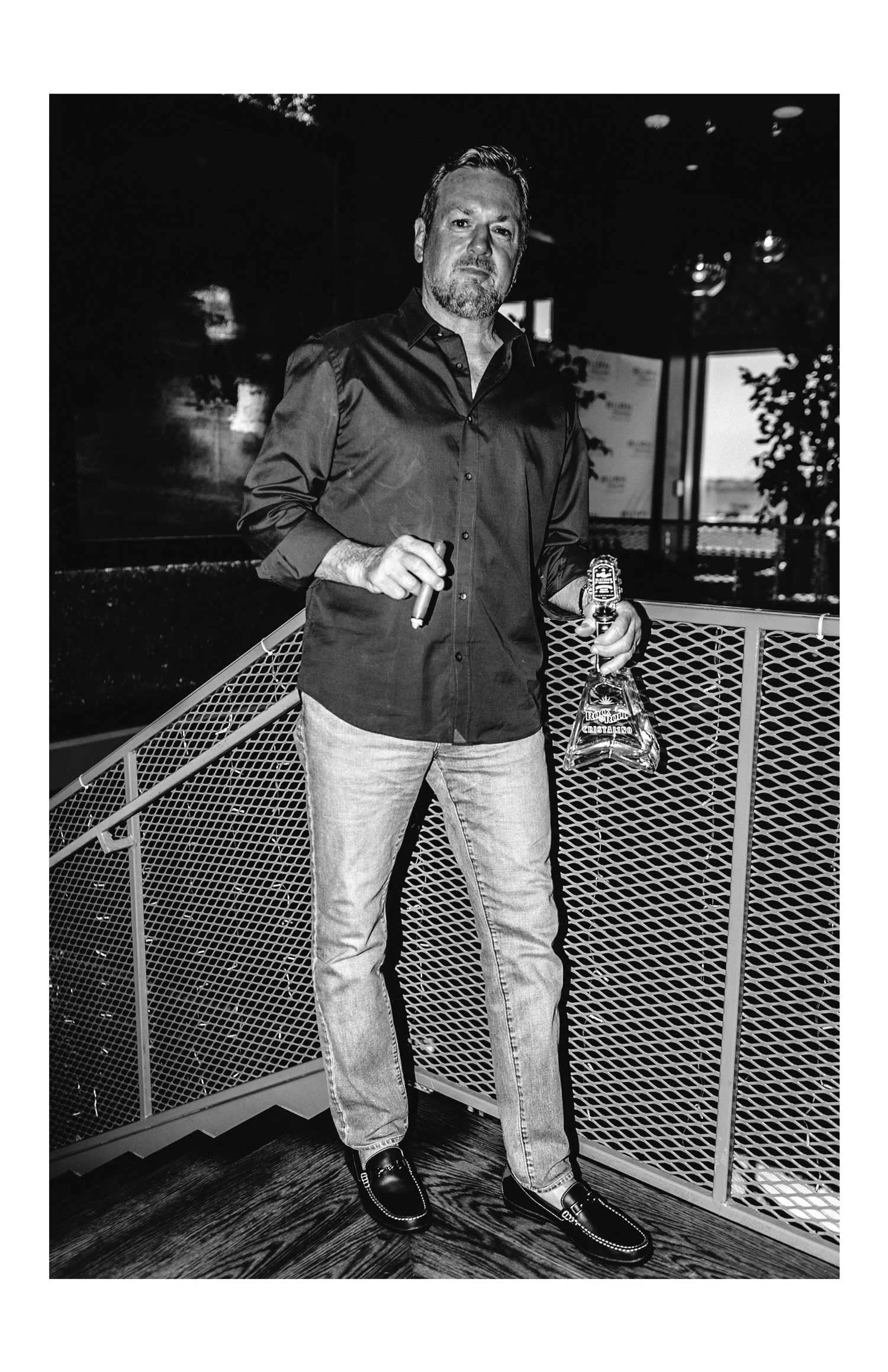
Capture Who People Are, Not Who They Think They Should Be
Most people walk onto a set with a version of themselves they think they’re supposed to present. Your job is to gently dismantle that. Talk to them until they open up, but also get photos before they open up. Capture all sides of their psyche. Joke with them. Confuse them slightly in a charming way. Try to be self-aware, disarming, not taking any of this too seriously.
Because the when people stop performing, they start existing and that’s where great photographs live.
The Exit Test
At the end of the shoot, ask yourself one thing:
“Did I just do my job… or did I make something I’d actually care about in five years?”
If it’s the first one—you got paid. Cool.
If it’s the second—you kept your soul.
And in this business, that’s the only thing you can’t invoice for.